

By Michael J. Martin, EAA 1047599, Toronto, Ontario
Introduction
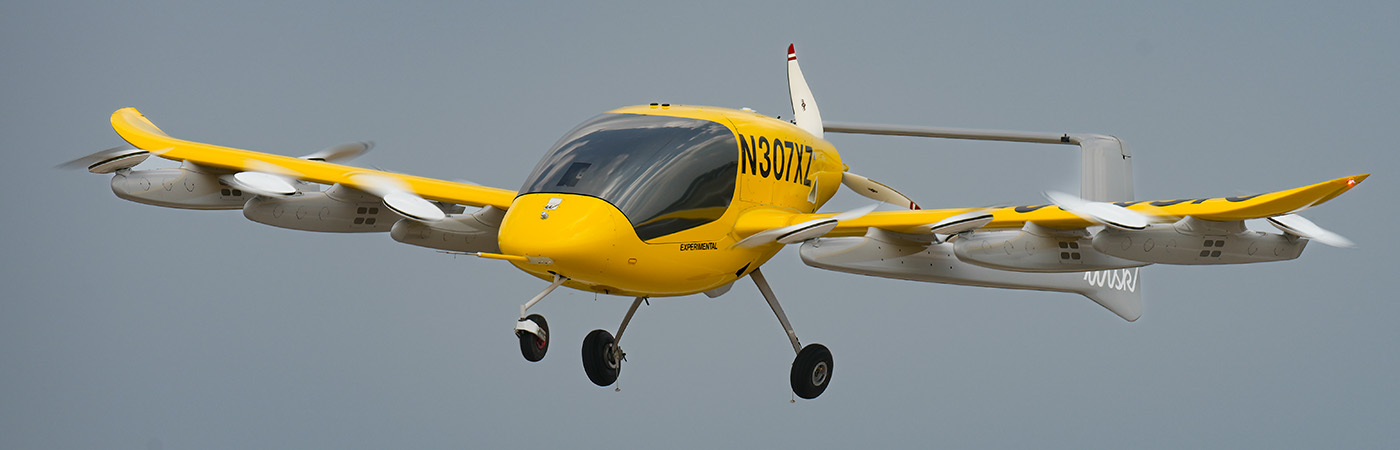
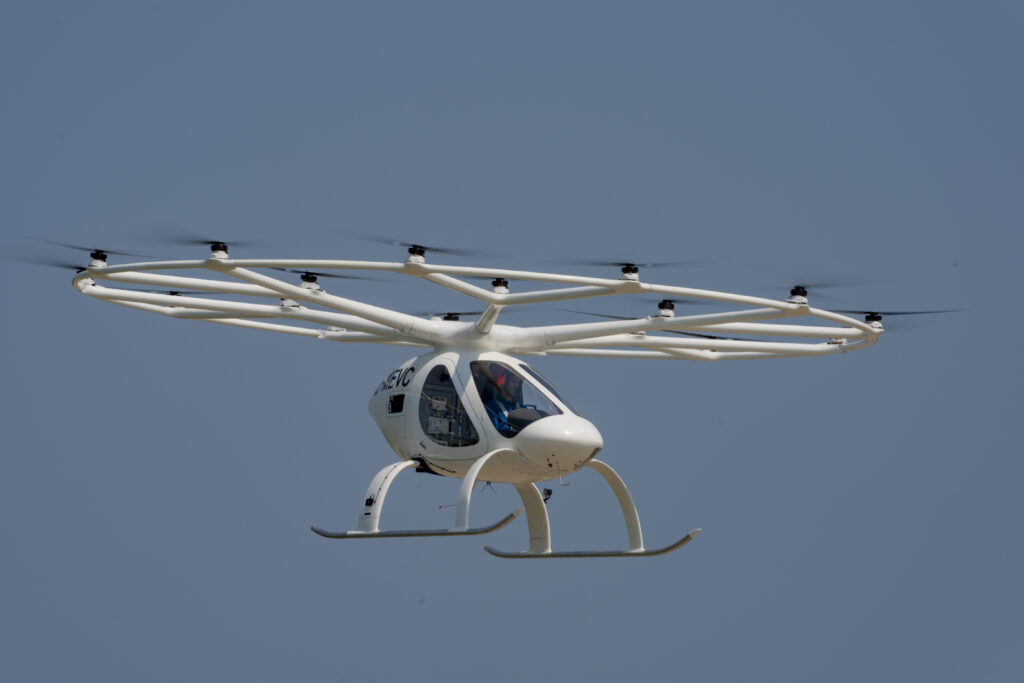
In Canada, the short version is eVTOLs (electric vertical takeoff and landing) will be treated as real aircraft, operated under Transport Canada’s aviation safety system, and integrated into Canadian airspace in phases, likely starting with tightly controlled routes and professional operators before anything resembling mass use.
Canada’s Regulator and the AAM Umbrella
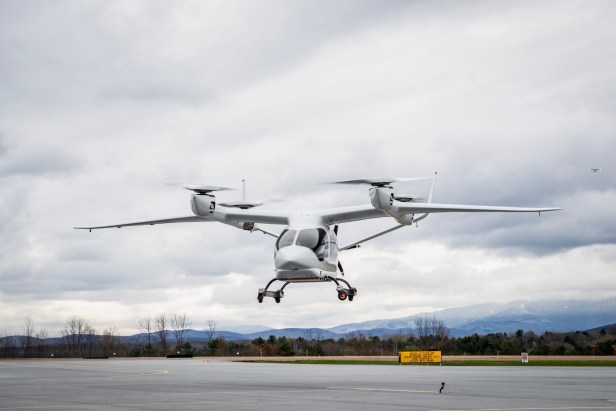
Transport Canada is already framing eVTOLs as part of Advanced Air Mobility (AAM), alongside new drone systems and related infrastructure. Their AAM page is basically the federal signal that this is on the roadmap, including the idea that, over the long term, some aircraft could eventually operate with higher automation.
Also, Canada tends to align with global aviation safety frameworks where possible. EASA’s VTOL special condition and its continuing updates show how detailed the certification standards are becoming for vertical lift electric aircraft, and that global maturity helps Canada adopt or harmonize rather than invent everything independently.
What that means in practice is that Canada is not starting from scratch. The country already has mature rules for aircraft certification, operations, training, maintenance, and airspace use. eVTOLs will have to fit into those structures, with new guidance added where the technology is genuinely new.
When eVTOL Service Could Happen in Canada
Canada’s timeline will be influenced by where aircraft are certified first and how quickly Canadian approvals align with those certifications. Many early eVTOL programs are working toward certification through primary authorities such as the FAA or EASA, and international coordination is explicitly happening through ICAO discussions about AAM and certification approaches.
On the operator side, there are already Canadian moves to prepare for service. For example, British Columbia-based Helijet announced orders intended for passenger operations, which is a sign that some Canadian operators are planning fleets and business models ahead of certification.

If you want a realistic expectation, think “early demonstrations and limited routes first,” then expansion as certification, infrastructure, and procedures mature. Some Canadian industry groups talk about broad adoption more in the 2030 or later timeframe, which lines up with the idea that scaling beyond niche routes takes time.
Safety in the Canadian Context
Transport Canada will not treat eVTOLs as a special case where safety is looser. If anything, early operations tend to be more conservative: tighter weather limits, defined routes, and high training and maintenance standards.
One safety area that matters for electric aircraft is batteries and energy storage. Canadian aviation guidance has highlighted the hazards of lithium battery failures and the need for careful controls, which is consistent with how other aviation authorities treat the issue.
Airspace Management: NAV CANADA and the Bridge From Drones to eVTOL
If eVTOL traffic grows, the hard part will not be whether they can fly, but how to manage lots of vehicles safely near cities. Canada already has active work in drone traffic management concepts, including NAV CANADA’s operational systems and updates tied to new RPAS rules. That drone work matters because large scale low altitude traffic management is similar in spirit, even though passenger eVTOLs will be held to a higher standard.
A Vancouver-focused AAM white paper argued that early passenger use cases would likely rely on NAV CANADA’s existing air traffic control system, with eVTOLs initially complementing or replacing some helicopter missions, before any future high-density system emerges.
At the global level, ICAO has been developing AAM and traffic management thinking, which Canada participates in, so Canadian airspace approaches are likely to stay compatible with international direction.
Will Pilots Need Licences in Canada?
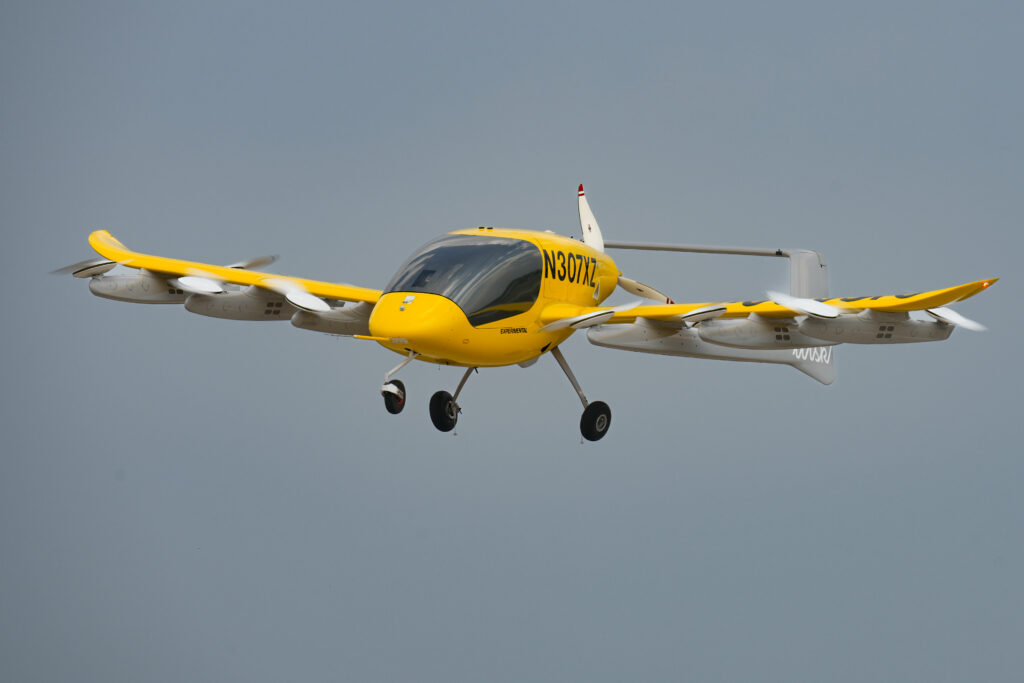
For passenger carrying eVTOL operations in Canada, yes, you should expect licenced pilots and formal training requirements, especially at the start. Canada already has a licencing framework for remotely piloted aircraft, but that is for drones, not for piloted passenger aircraft. eVTOL air taxis are expected to sit on the manned aviation side of the house, not the consumer drone side, with professional standards for training and checking.
Emerging Market
Globally, eVTOL is still an early market with big forecasts and a widespread in dollar estimates, which tells you the opportunity is large, but the industry has not settled on a single winning path yet.
One widely cited market research view pegs the global eVTOL aircraft market at about US$1.35 billion in 2023, growing to roughly US$28.6 billion by 2030 (very rapid growth off a small base).
Other analyses frame the wider advanced air mobility ecosystem, including aircraft, infrastructure, and services, at around US$11.41 billion in 2024 rising to about US$65.91 billion by 2032.
Even the more conservative aircraft-only forecasts still imply multi billion-dollar revenue pools by the early 2030s, for example projections around US$4.7 billion by 2030 for the eVTOL aircraft market in one report.
Stepping back, the financial scale looks like a classic platform transition: early revenue comes from aircraft sales, certification programs, and limited route operations, but the long term prize is recurring services such as fleet operations, maintenance, pilot training, vertiport and charging networks, and airspace management software, where the total value chain can be much larger than the aircraft themselves.
Most Likely Canadian Use Cases
Airport to downtown shuttles is the clearest first step because the routes are predictable, demand is steady, and the business case can work even with limited fleets. This is the core early model discussed globally for air taxi services and fits Canadian cities where ground congestion makes airport access painful.
Helicopter replacement is another near-term use case, especially for missions where helicopters already operate but face noise, cost, or emissions pressure. Canadian operators are already signalling interest through fleet plans, which points to this being a practical on ramp rather than a science project.
Medical logistics and time critical support missions are strong Canadian candidates, not because they are glamorous, but because saving time matters more than achieving ultra-low ticket prices. This could include rapid delivery of medical items and certain urgent patient support links where geography and traffic are real constraints.
Regional links across water or hard terrain are a particularly Canadian fit, including short hops that connect suburbs, islands, or communities separated by bridges, mountains, or ferry bottlenecks. This aligns with the kind of phased, corridor-based approach described in Canadian AAM planning discussions.
Summary
Over time, if automation increases, Canada could adapt rules the way other regulators are doing, but that would come after demonstrated safety and proven operational systems, not before.
In Canada, eVTOLs are being approached as part of Advanced Air Mobility under Transport Canada’s safety framework, not as a casual consumer vehicle. Early service is most likely to be small, tightly managed, professionally operated, and integrated through existing aviation procedures, with growth depending on certification progress, local approvals, and infrastructure like vertiports and charging.